
Vapometallurgy at Weber
VAPOMETALLURGY
Precision engineered at the atomic level
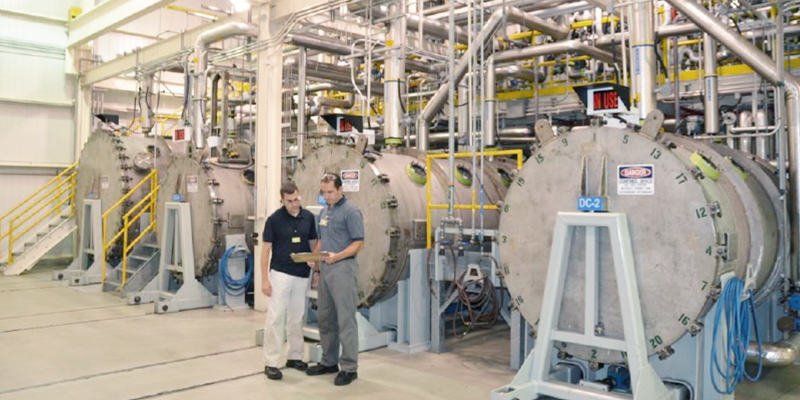
Weber leads the industry in vapometallurgy – the family of vapor-phase metal processes that enable precision, material purity, and surface replication unmatched by conventional tooling. Our capabilities extend far beyond Nickel Vapor Deposition (NVD): we are actively defining the next generation of vapor-phase metal systems, feedstocks, and applications that will shape the future of advanced manufacturing.
Why Vapometallurgy Matters: The Science Behind Exceptional Tooling
Vapometallurgy produces metals through controlled vapor-phase reactions, creating surfaces built molecule by molecule. This unlocks characteristics no casting, machining, or plating method can reproduce:
- Microscopic surface fidelity
- Dimensional stability under heat, pressure, and long-run cycling
- High thermal conductivity for faster cycle times
- Exceptional hardness and wear resistance
Weber’s Leadership in Vapometallurgy: Advancing the Future of Vapor-Phase Metals Beyond Tooling
Weber is not simply using vapometallurgy. We are improving it. Based on current R&D initiatives documented by VPM Research, Weber is pioneering:
- New processing routes to convert impure nickel sources into high-purity vapor-phase feedstock
- Rotary kiln–based vapometallurgical pre-processing of nickel and iron
- Exploration of rare-earth concentration via vapor-phase extraction
- Industry–research partnerships around feedstock innovation and vapor-phase transport
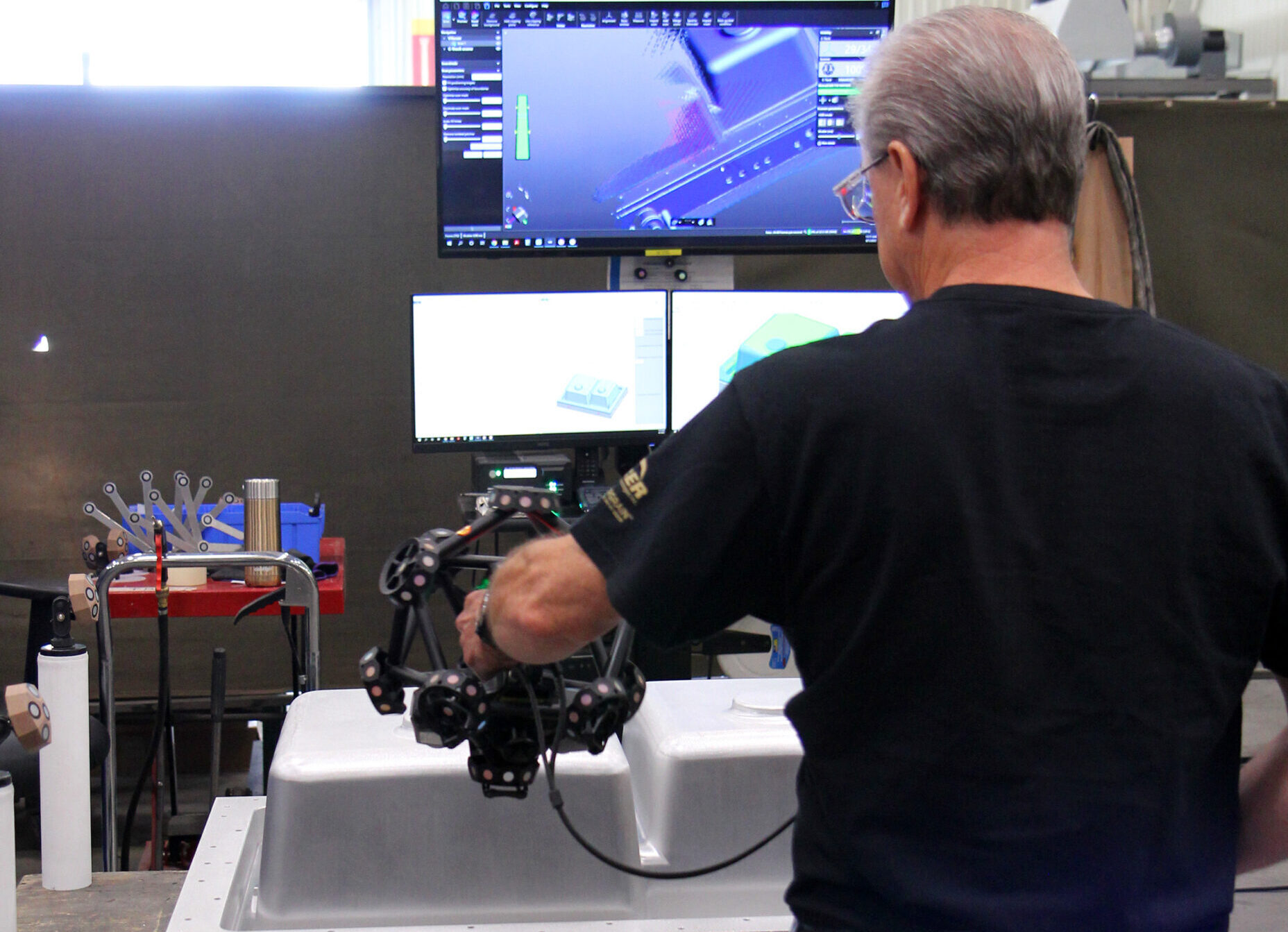
Nickel Vapor Deposition (NVD) delivering precision at the molecular level
NVD builds nickel surfaces atom by atom, creating an ultra-uniform structure with:
- Near-perfect replication of master surfaces
- High thermal conductivity for faster, more stable processing
- Resistance to fatigue, deformation, and surface degradation
- Long run stability with near-zero drift
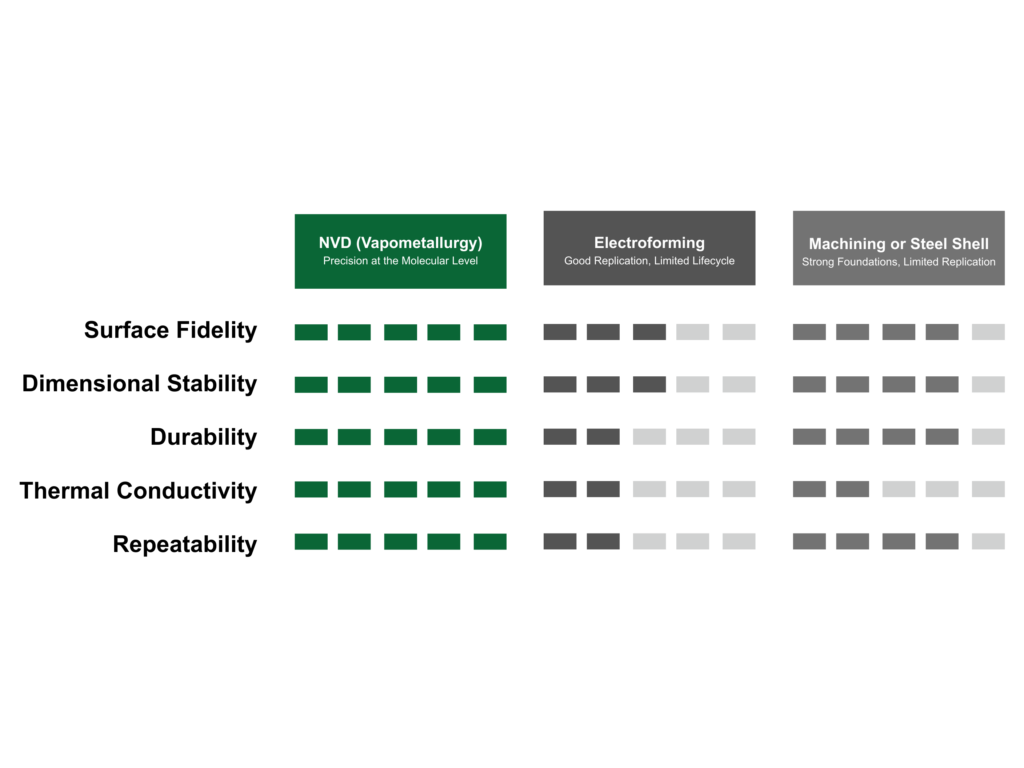
Comparing NVD to electroforming and machining
Vapometallurgy uses vapor-phase reactions to produce metals and coatings of extraordinary uniformity and purity.
Where Weber’s NVD outperforms
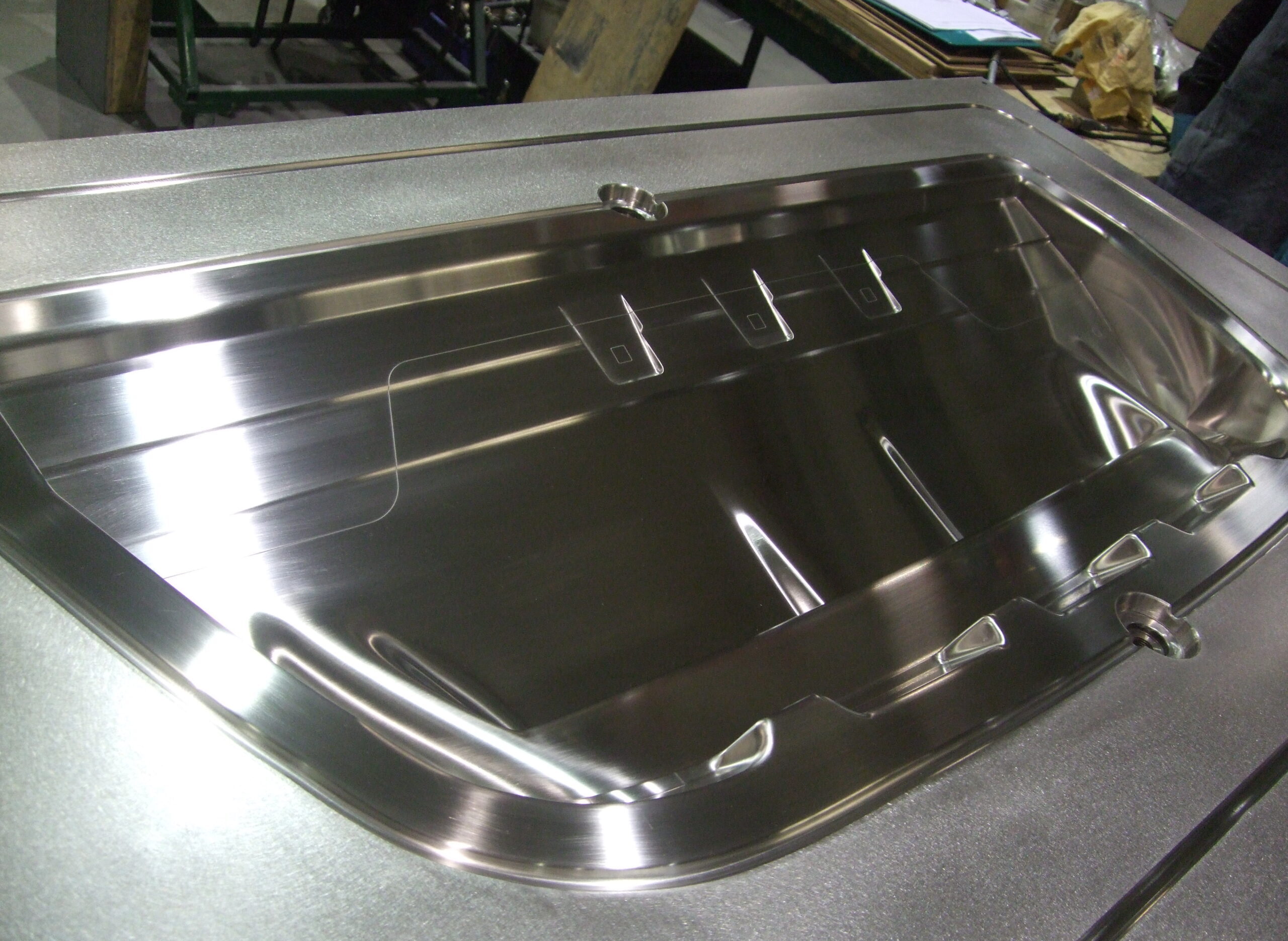
Nickel Vapor Deposition consistently outperforms conventional tooling methods in industries where surface fidelity, dimensional stability, and long-run durability directly determine product performance, yield, and safety.
Weber’s NVD process delivers a level of precision that machining and electroforming simply cannot replicate.
Automotive & Class-A Surfaces
Applications
Exterior skins, trim, bezels, lenses
Why NVD wins
High-fidelity surface replication stays stable across millions of cycles.
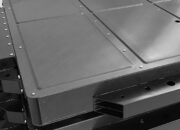
Electric Vehicles (EV)
Applications
Composite covers, battery housings, precision skins
Why NVD wins
Nickel’s thermal stability prevents drift and ensures tight assembly fit.

Aerospace & Regulated Products
Applications
Composite layup tools, interior structures
Why NVD wins
Atomically uniform surfaces deliver predictable, repeatable performance.
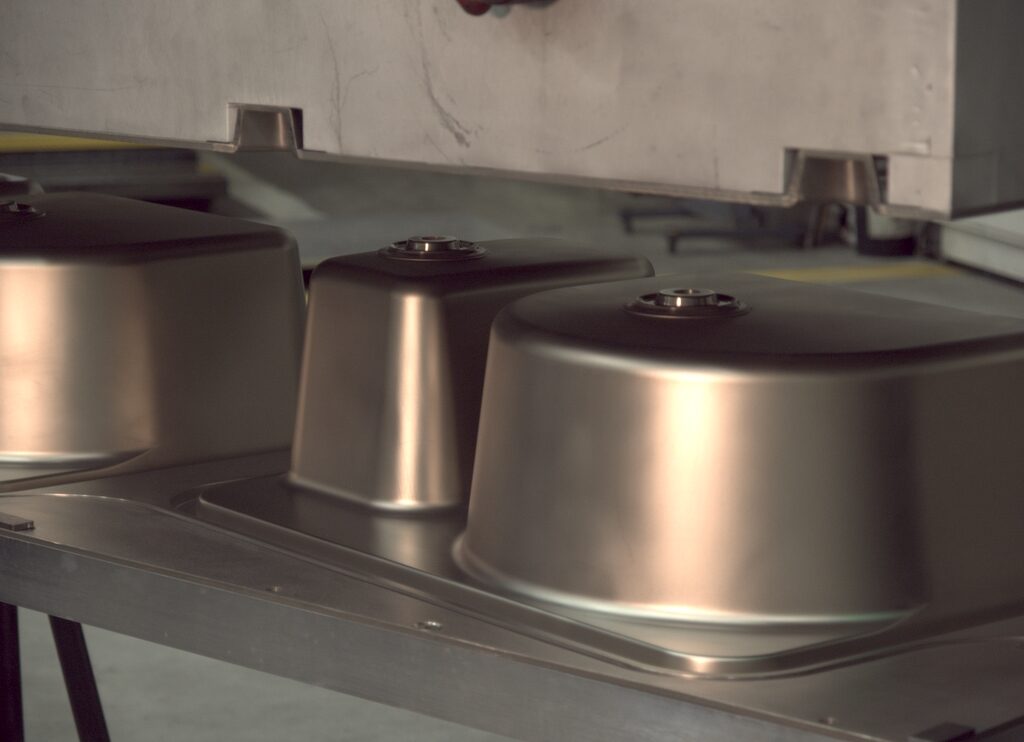
Appliance & Consumer Goods
Applications
High-visibility plastic panels, textured surfaces
Why NVD wins
Crisp, repeatable textures and gloss stability over long runs.
Composite & Advanced Material Tooling
Applications:
team-form tools, high-temperature molds
Why NVD wins
Superior heat resistance and wear stability protect geometry under harsh conditions.

Lighting & Optical Components
Applications
Reflectors, lens forms, optical surfaces
Why NVD wins
Seamless nickel deposition eliminates toolpath artifacts and improves optical clarity.
Weber’s vertically integrated NVD operation
Weber controls every stage of the vapometallurgy pipeline. Our single-source model removes hand-offs, reduces risk, and shortens timelines, ensuring predictable outcomes from concept to production.

Pattern
Engineering
Vapor
Deposition

Post-Processing and Machining

Heat Stability Verification

Finishing

Try-out and Production Integration
Shaping the future of rare earths, advanced materials & exploring next-generation material dystems
A recent independent technical study examined how vapor-phase metallurgical processes could be expanded beyond nickel to support the extraction and concentration of rare earth elements, particularly scandium, from certain nickel-bearing feedstocks.
This research highlights several forward-looking opportunities Weber is uniquely positioned to explore:
- Concentrating rare earth elements (such as scandium found in laterite ores) as a by-product of vapor-phase nickel removal
- Developing new high-performance alloy pathways, including scandium-nickel systems
- Contributing to the creation of a Canadian rare-earth processing center, a national priority currently supported by federal and provincial funding
While these applications are still in the exploratory phase, they reinforce a simple truth: Weber is not only advancing vapometallurgy for tooling, we are shaping its future in critical minerals and next-generation engineered materials.