
Precision Compression Molds Engineered for High Pressure, Consistent Parts, and Long Tool Life
Compression molds are used when part quality depends on controlled pressure and predictable material behavior under load. Performance hinges on uniform compaction, stable tooling geometry, and surface integrity that holds as programs scale.
Weber approaches compression tooling by starting with those risks. Mold geometry, construction methods, and thermal strategies are engineered to control material flow, protect surface quality, and maintain dimensional accuracy through repeated press cycles.
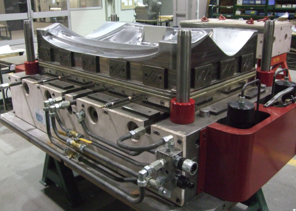
Weber’s Compression Mold Capabilities
Weber designs compression molds to support both prototype and production programs where consistency, surface quality, and cycle stability are critical.
Our engineering approach supports complex geometries, cosmetic surfaces, and structural components while maintaining the pressure control and alignment required for repeatable molding at volume.
Our capabilities include:
- Single- and multi-cavity mold programs
- Integrated heating and cooling systems (steam, oil, or high-pressure water)
- Complex parting lines, deep draws, and perimeter lifters or sliders
- Precision-ground parting surfaces for uniform pressure distribution
- Tools sized for press tonnage from 500 to 3,250 tons
Compression Molding Applications
- Automotive body panels and closures
- Acoustic panels and interior substrates
- Consumer product enclosures
- Building product components (shower panels, bathtub shells)
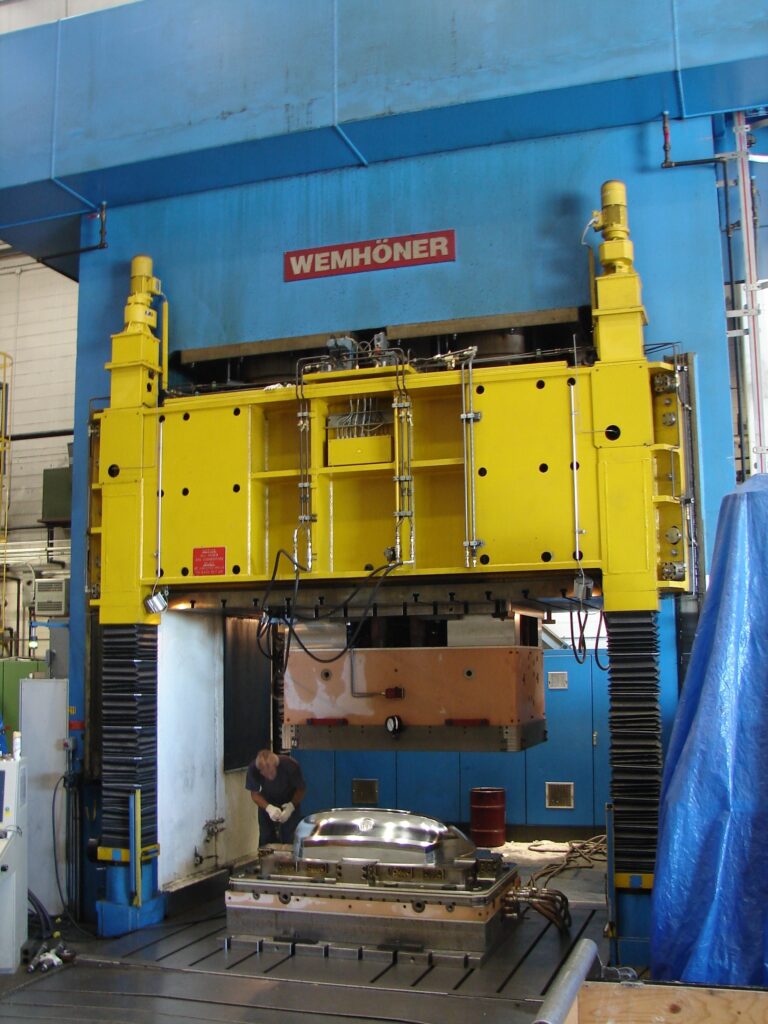
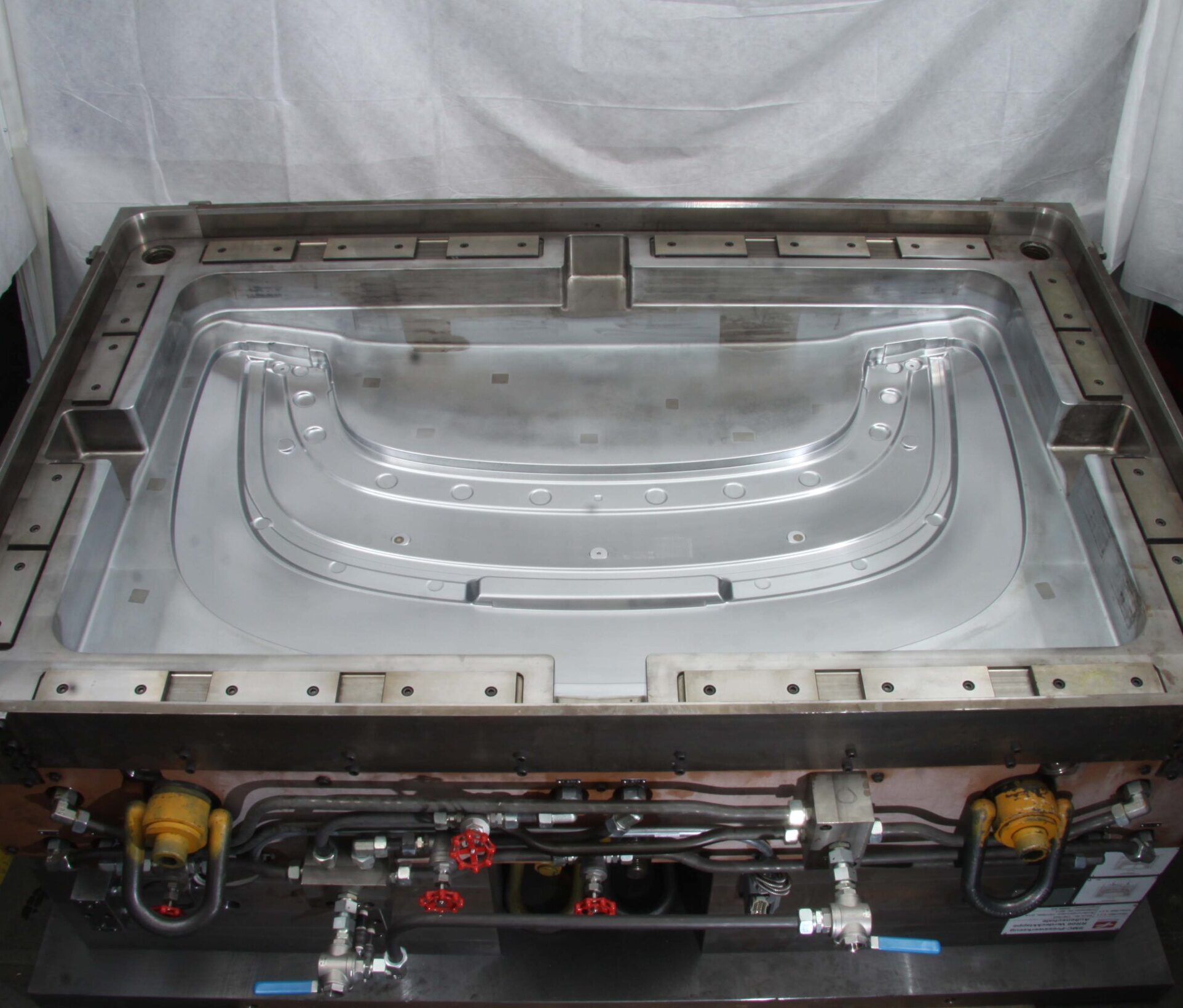
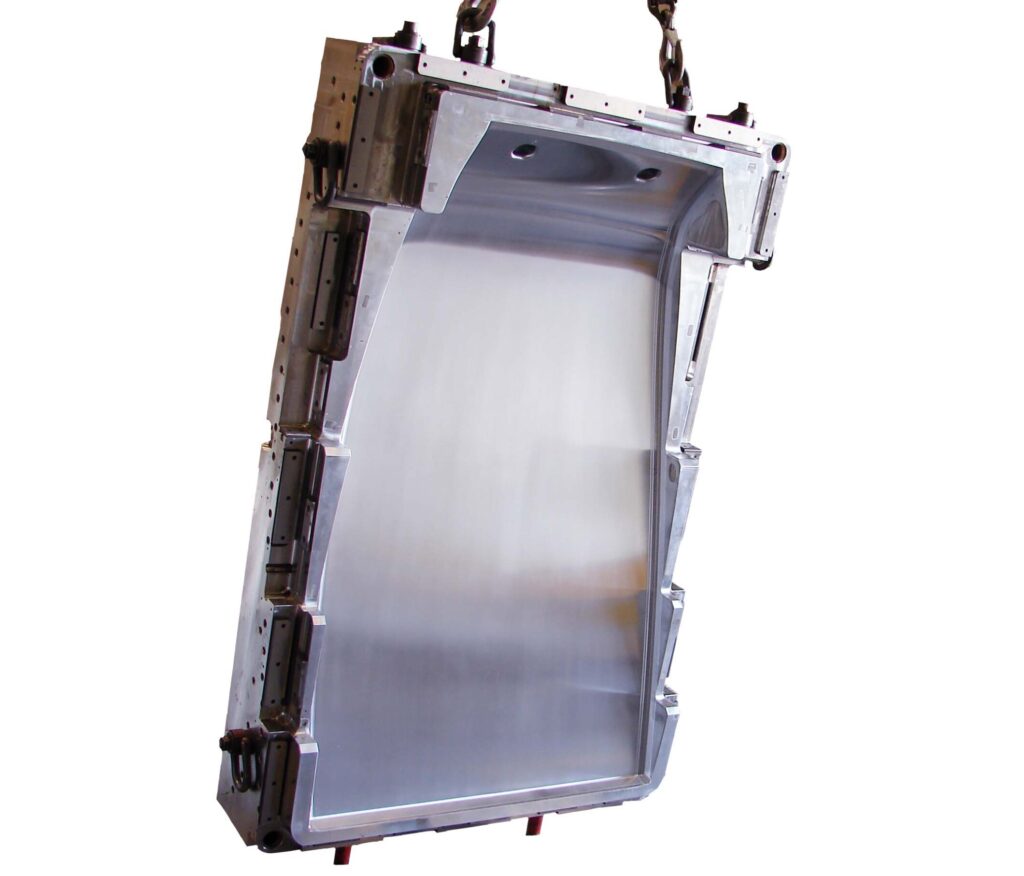
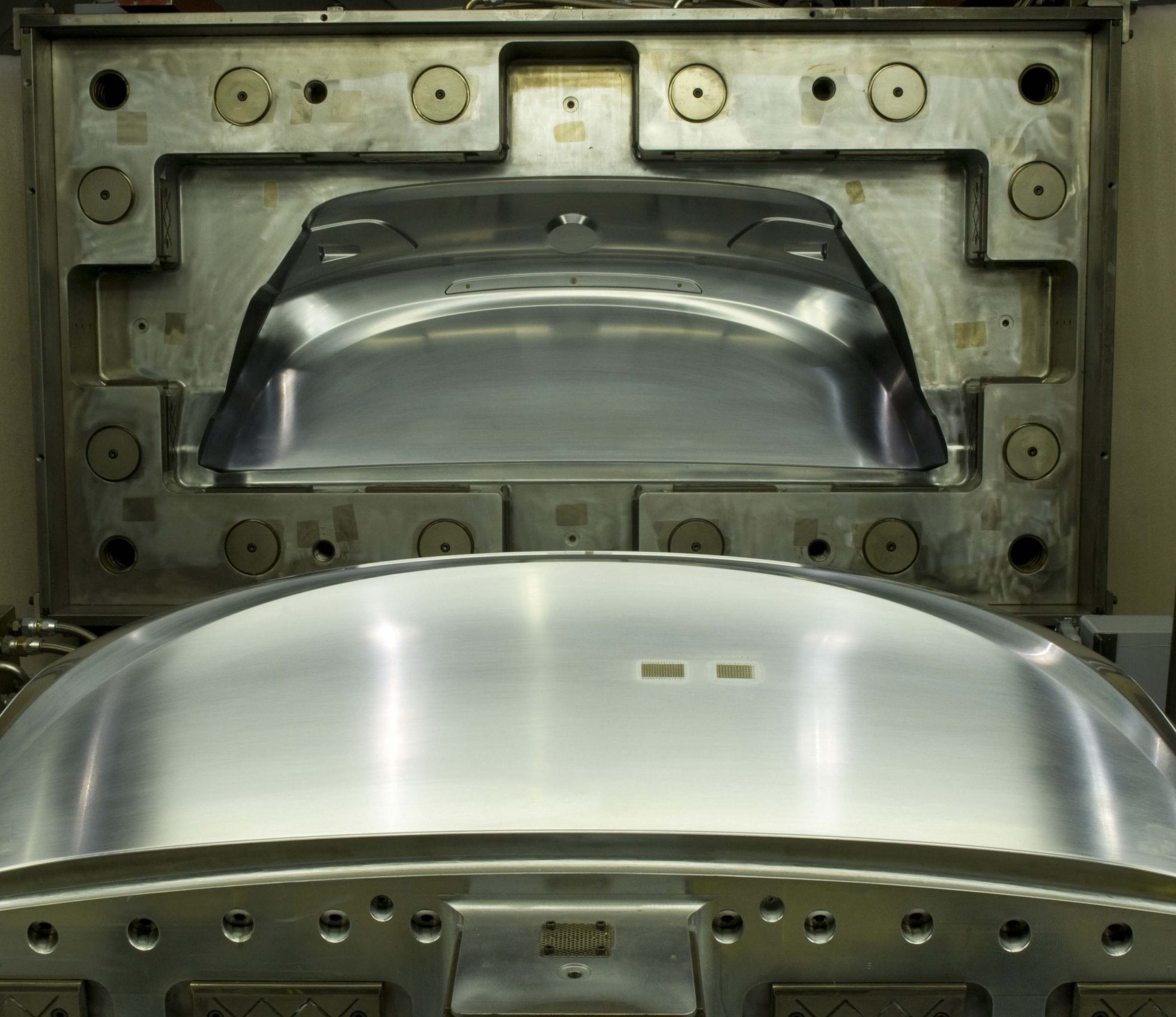
Some of Our Work
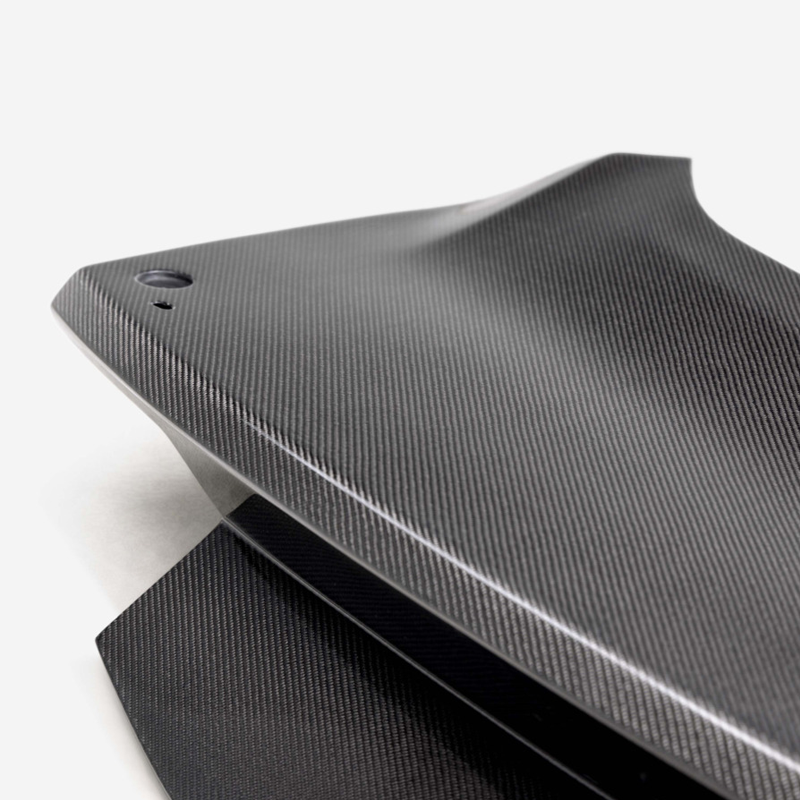
Decklids
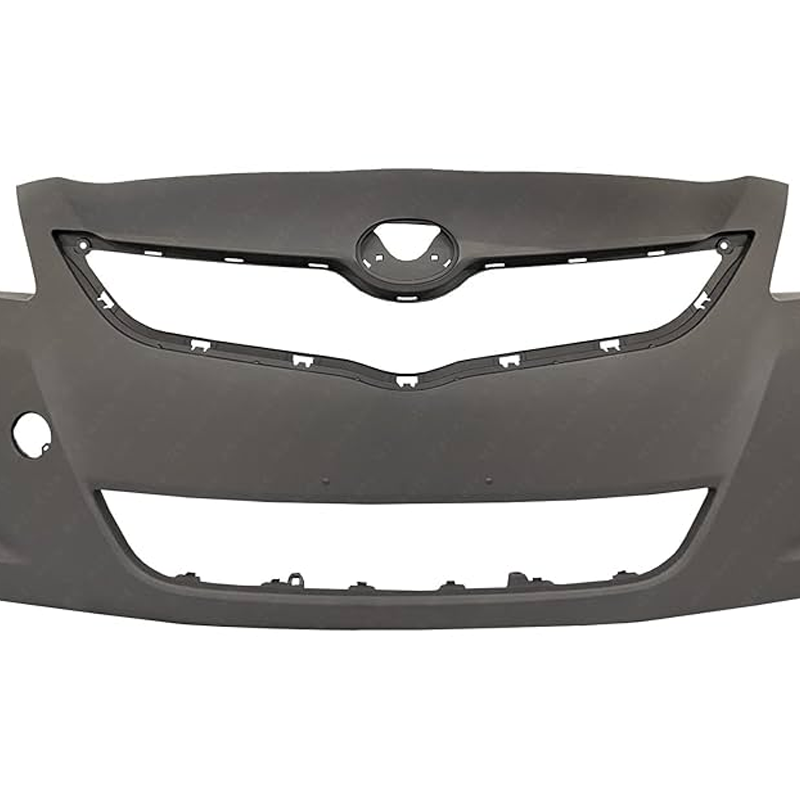
Fascias
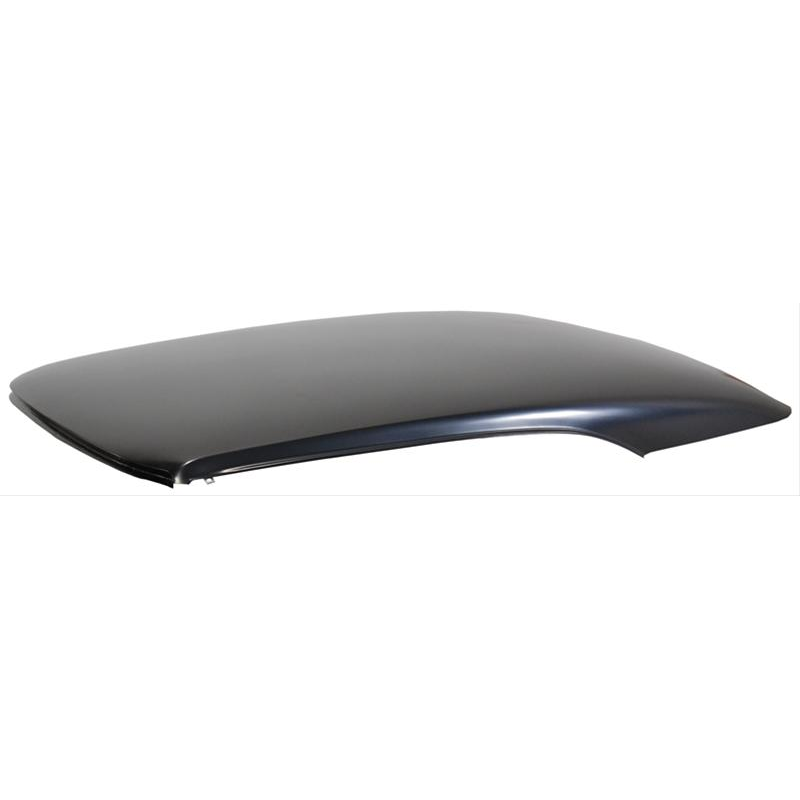
Roof Panels
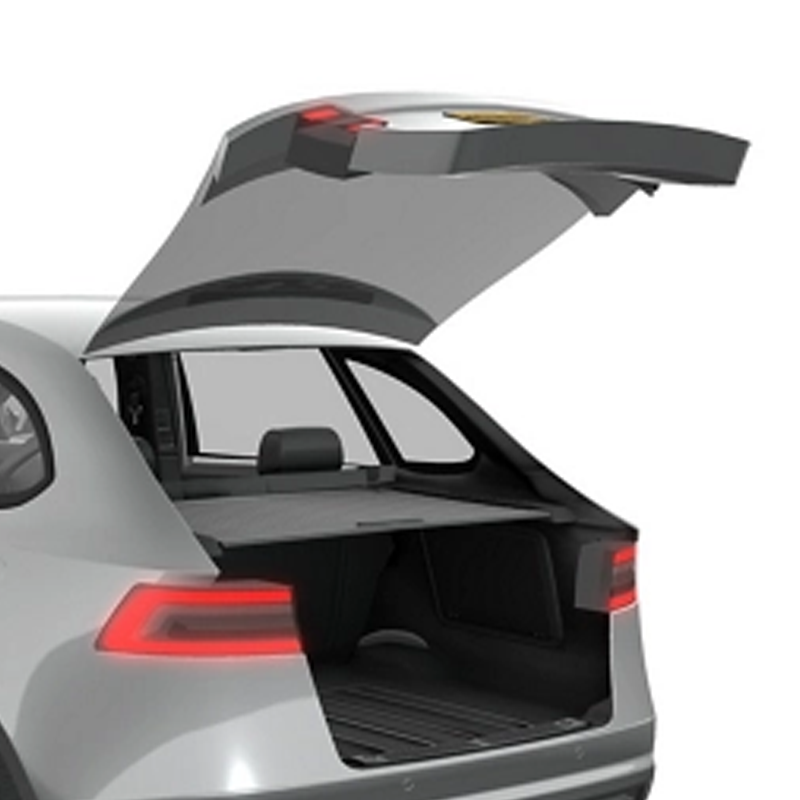
Liftgates
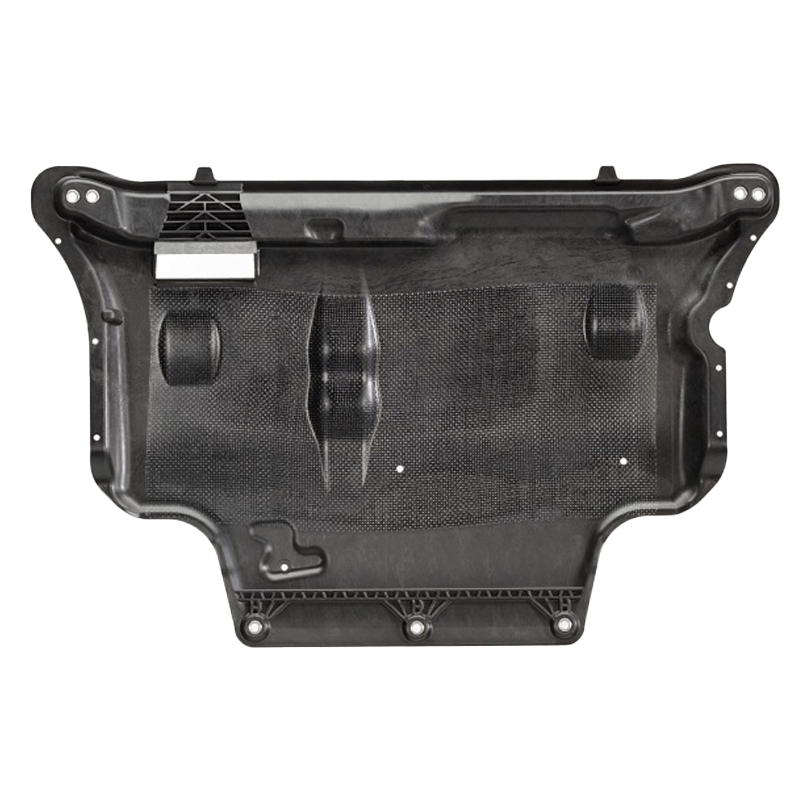
Structural Underbody Components
Engineering for Predictable Compression Molding Performance
Pressure Distribution Engineering
Mold geometry and construction are designed to deliver uniform pressure across the cavity, reducing warpage, fiber movement, and cosmetic variation.
Material Flow Control
Tooling features are engineered to guide material behavior during compression, supporting consistent compaction and predictable part properties.
Thermal Control Integration
Heating strategies are matched to part geometry and cycle requirements to stabilize cure behavior and support efficient production.
Surface Integrity Management
Surface finishes are engineered to maintain cosmetic quality at volume, minimizing secondary finishing and rework.
Support Beyond the Mold
Successful compression molding depends on more than the mold itself. Weber supports engineering and manufacturing teams through launch, validation, and ongoing production.
- Collaboration during design to prevent downstream issues
- Support during press setup and process validation
- Ongoing tooling service and modification as programs evolve